Sunnyside Gardens · Architectural Index

The 26 House Types of Sunnyside Gardens

Built between 1924 and 1928, these homes were designed as part of a larger neighborhood plan that balanced architecture, gardens, pathways, interior courts, and open space. Their character comes not from ornament, but from proportion, brickwork, rooflines, gardens, and thoughtful variation.

The Sunnyside Gardens designation report classifies the row houses from A through Z, based primarily on the original arrangement of doors and windows on the front façade. Mirror types reverse that composition. A house-type letter does not determine a home's current interior layout, legal use, condition, roof form, or alteration history.
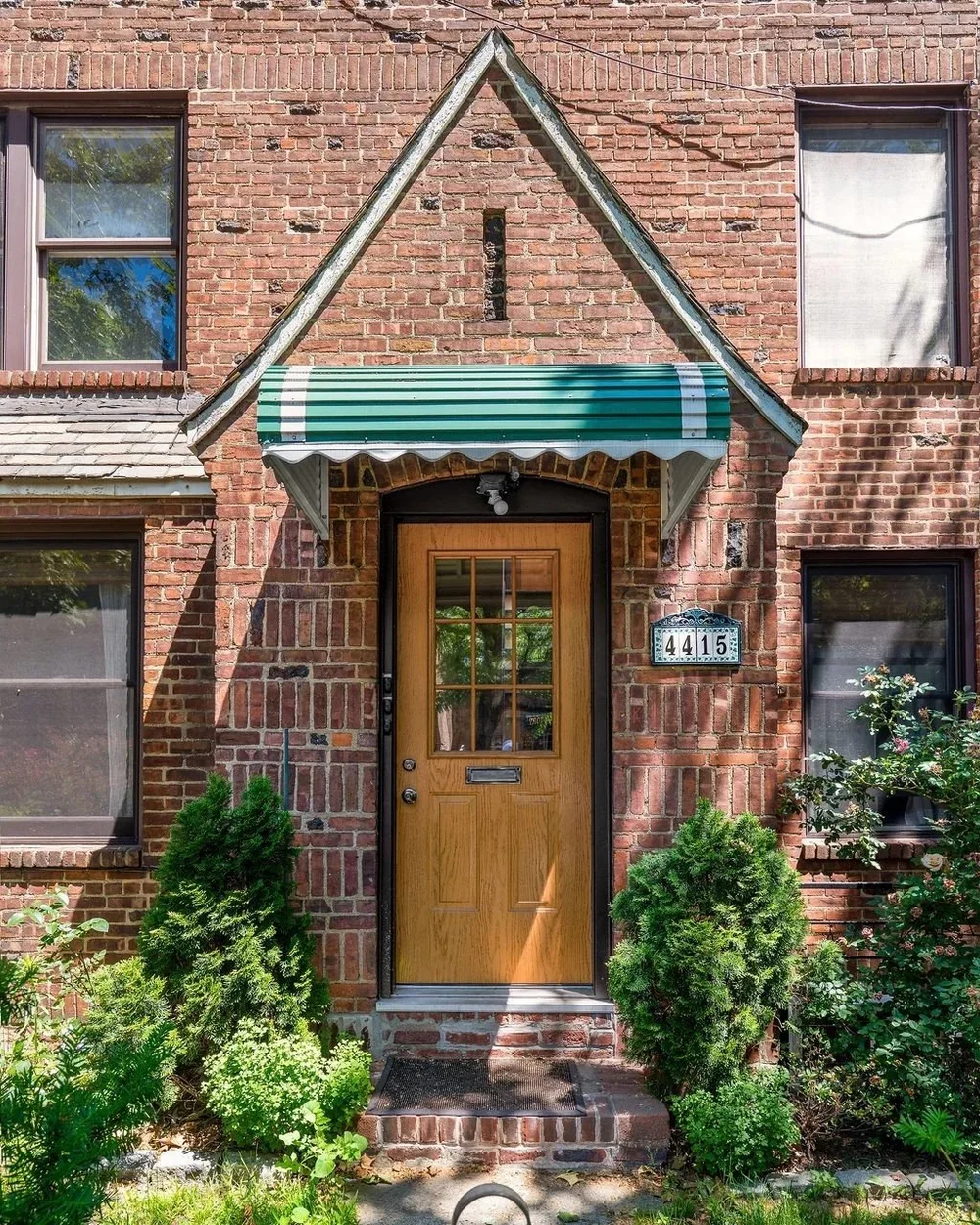
Brick Sunnyside Gardens row house with a gabled entrance, wood door and planted front garden
Architectural Detail Sunnyside Gardens · Queens
  1. AA/A': Two-Bay
  2. BB/B': Two-Bay
  3. CC: Three-Bay
  4. DD/D': Three-Bay
  5. EE/E': Three-Bay
  6. FF/F': Three-Bay
  7. GG/G': Three-Bay
  8. HH/H': Three-Bay
  9. II/I': Three-Bay
  10. JJ/J': Three-Bay
  11. KK/K': Three-Bay
  12. LL/L': Three-Bay
  13. MM/M': Four-Bay
  14. NN/N': Four-Bay
  15. OO: Four-Bay
  16. PP/P': Three-Bay
  17. QQ/Q': Four-Bay
  18. RR/R': Three-Bay
  19. SS/S': Four-Bay
  20. TT/T': Four-Bay
  21. UU/U': Four-Bay
  22. VV/V': Four-Bay
  23. WW/W': Four-Bay
  24. XX/X': Five Bay
  25. YY/Y': Four-Bay
  26. ZZ: Four-Bay
Preservation & care Owning & caring for a landmarked home What to confirm before repairing, altering or ordering materials.

Before work begins

Start with the existing condition.

Exterior work may need LPC approval even when it is not street-visible or does not require a DOB permit. Repair, retrofit and replacement can follow different paths; confirm the property’s applicable LPC and DOB review before design, ordering or construction.

Working sequence

Research first. Scope second.

  1. 01

    Research

    Search the address and permit history; gather drawings, photographs and prior approvals.

  2. 02

    Define

    Record the condition, dimensions, materials, finishes, methods and visible effects.

  3. 03

    Coordinate

    Engage preservation-experienced professionals as needed and assign filing responsibility.

  4. 04

    Apply

    Submit through Portico; LPC determines the permit type after reviewing the scope.

Common project types

Six scopes to confirm early.

01Windows & doors

Document condition, dimensions, profiles, operation, material and finish; confirm whether repair, retrofit or replacement is appropriate before ordering.

02Masonry

Record brick, mortar, joints, coatings and prior repairs; unsuitable cleaning or repointing can permanently damage historic masonry.

03Roofs & equipment

Show locations, dimensions, materials and sightlines for roofs, parapets, skylights, railings, vents, HVAC, flues and solar installations.

04Additions & structural work

Additions, excavation, foundations and structural changes may need LPC and DOB review; involve an architect or engineer early.

05Yards, porches & fences

Yards, paths, walls, stoops, porches, fences and gates may be protected; photograph conditions and verify property-specific requirements.

06Interior projects

Interior work may require LPC review when it needs a DOB permit or affects the exterior through vents, louvers or penetrations.

Official LPC resources

Continue with the Commission.

Reviewed August 2026. General educational information only—not legal, architectural, engineering, construction, zoning, preservation, permitting or due-diligence advice. Rules and project facts vary; confirm current requirements with LPC, DOB and qualified professionals. The Permit Application Finder does not replace a title search or legal due diligence.